<div class="lead-text">
<p>Winter's freezing temperatures can wreak havoc on your plumbing system, causing pipes to freeze, burst, and create costly water damage. Learn how to protect your home's plumbing and prevent frozen pipe disasters this winter season.</p>
</div>
<h2 class="section-title">Understanding Frozen Pipes</h2>
<p>When water freezes inside pipes, it expands and can cause significant damage to your plumbing system.</p>
<div class="feature-list">
<div class="feature-item">
<span class="feature-icon">🔧</span>
<div>
<strong>Expansion Pressure:</strong> Freezing water expands by 9%, creating enormous pressure inside pipes
</div>
</div>
<div class="feature-item">
<span class="feature-icon">💧</span>
<div>
<strong>Burst Risk:</strong> Pipes can rupture when ice forms, causing flooding and water damage
</div>
</div>
<div class="feature-item">
<span class="feature-icon">🏠</span>
<div>
<strong>Hidden Damage:</strong> Pipes behind walls or under floors are especially vulnerable
</div>
</div>
</div>
<h2 class="section-title">Preparing Your Home for Winter</h2>
<p>Take these preventive measures before cold weather arrives to protect your plumbing.</p>
<div class="benefits-grid">
<div class="benefit-card">
<h4>Locate Shutoff Valves</h4>
<p>Know where your main water shutoff and individual fixture shutoffs are located</p>
</div>
<div class="benefit-card">
<h4>Seal Gaps</h4>
<p>Seal cracks around windows, doors, and pipes where cold air can enter</p>
</div>
<div class="benefit-card">
<h4>Insulate Pipes</h4>
<p>Insulate exposed pipes in basements, garages, and exterior walls</p>
</div>
<div class="benefit-card">
<h4>Keep Heat Circulating</h4>
<p>Maintain consistent indoor temperatures, especially in unused rooms</p>
</div>
</div>
<h2 class="section-title">Insulation Solutions</h2>
<p>Proper insulation is your best defense against frozen pipes.</p>
<blockquote class="quote">
<p>Pipes that freeze are typically located in unheated or poorly insulated areas like basements, attics, garages, and exterior walls.</p>
</blockquote>
<div class="checklist">
<h3>Insulation Materials</h3>
<ul>
<li>Foam pipe insulation sleeves (most effective)</li>
<li>Heat tape or heating cables for exposed pipes</li>
<li>Electrical outlet covers for exterior walls</li>
<li>Weatherstripping around doors and windows</li>
<li>Insulation blankets for water heaters</li>
</ul>
</div>
<h2 class="section-title">Maintaining Indoor Temperatures</h2>
<p>Keep your home warm enough to prevent pipe freezing, but do so efficiently.</p>
<div class="benefits-grid">
<div class="benefit-card">
<h4>Minimum Temperatures</h4>
<p>Keep indoor temperatures above 55°F (13°C) even when away</p>
</div>
<div class="benefit-card">
<h4>Room-by-Room</h4>
<p>Don't let unused rooms get too cold, circulate heat throughout</p>
</div>
<div class="benefit-card">
<h4>Cabinet Doors</h4>
<p>Keep kitchen and bathroom cabinet doors open to allow warm air circulation</p>
</div>
</div>
<h2 class="section-title">Signs of Frozen Pipes</h2>
<p>Recognize these warning signs and act quickly to minimize damage.</p>
<div class="feature-list">
<div class="feature-item">
<span class="feature-icon">💧</span>
<div>
<strong>No Water Flow:</strong> Faucets produce no water or only a trickle
</div>
</div>
<div class="feature-item">
<span class="feature-icon">🧊</span>
<div>
<strong>Unusual Sounds:</strong> Banging or cracking noises as ice expands
</div>
</div>
<div class="feature-item">
<span class="feature-icon">❄️</span>
<div>
<strong>Frost on Pipes:</strong> Visible frost or ice on exposed plumbing
</div>
</div>
</div>
<h2 class="section-title">Thawing Frozen Pipes Safely</h2>
<p>If pipes do freeze, thaw them carefully to avoid further damage.</p>
<div class="checklist">
<h3>Safe Thawing Methods</h3>
<ul>
<li>Start with the faucet closest to the frozen area</li>
<li>Use warm (not hot) water to gradually thaw</li>
<li>Apply heat tape or heating pad to affected area</li>
<li>Never use open flames or excessive heat</li>
<li>Thaw in sections from faucet toward the frozen area</li>
</ul>
<h3>What NOT to Do</h3>
<ul>
<li>Don't use blowtorches or open flames</li>
<li>Don't apply extreme heat that could damage pipes</li>
<li>Don't try to thaw if you're unsure of the pipe location</li>
<li>Don't ignore signs of potential bursting</li>
</ul>
</div>
<h2 class="section-title">Long-Term Prevention Strategies</h2>
<p>Make these permanent improvements to prevent future frozen pipe issues.</p>
<div class="benefits-grid">
<div class="benefit-card">
<h4>Professional Assessment</h4>
<p>Have a plumber inspect your system for vulnerabilities</p>
</div>
<div class="benefit-card">
<h4>Heated Water Lines</h4>
<p>Consider installing heat tape on problem areas</p>
</div>
<div class="benefit-card">
<h4>Insulation Upgrades</h4>
<p>Improve overall home insulation to maintain consistent temperatures</p>
</div>
</div>
<h2 class="section-title">Cost of Frozen Pipes</h2>
<p>Prevention is far less expensive than dealing with frozen pipe damage.</p>
<div class="feature-list">
<div class="feature-item">
<span class="feature-icon">💸</span>
<div>
<strong>Prevention Cost:</strong> $50-200 for insulation and preparation
</div>
</div>
<div class="feature-item">
<span class="feature-icon">💰</span>
<div>
<strong>Repair Cost:</strong> $500-5,000+ for burst pipe damage and repairs
</div>
</div>
<div class="feature-item">
<span class="feature-icon">🏠</span>
<div>
<strong>Water Damage:</strong> Additional costs for cleanup and restoration
</div>
</div>
</div>
<div class="cta-box">
<p>Don't wait for frozen pipes to damage your home, prepare now with professional plumbing assessment and winterization services from Plumber in a Box.</p>
</div>

★Sevierville, Pigeon Forge, and Gatlinburg★
Plumber in a Box
Preventing Frozen Pipes: A Complete Winter Guide
Essential tips to protect your plumbing system during cold weather and prevent costly frozen pipe damage.


Booking
Reserve a visit
Step 1 of 3
Select the service typeStart with the closest plumbing category
January 15, 2025
•Plumbing Team
•5 min read
Related articles
Keep reading in the sameservice topic.
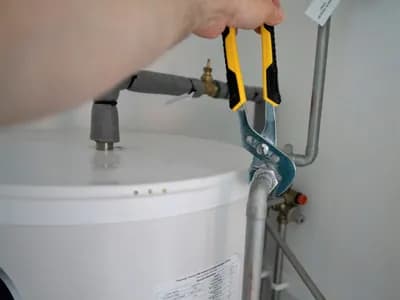
Emergency Plumbing
Emergency Plumbing: What to Do Before the Professionals Arrive
When plumbing emergencies strike, every minute counts. Learn the exact steps to take before an emergency plumber arrives to reduce water damage and keep your home safe.
8 min read
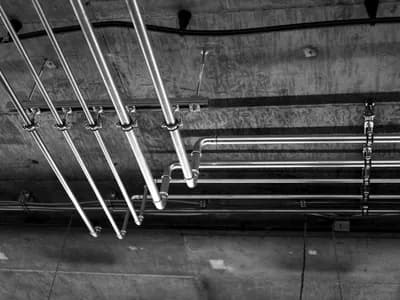
Winterization and Frozen Pipes
Pipe Insulation: Protecting Your Plumbing in Winter
Prevent frozen pipes and reduce energy costs with proper pipe insulation techniques for cold weather.
5 min read
Emergency Plumbing
Plumbing Emergency Kit: What Every Homeowner Should Keep Ready
A plumbing emergency kit does not replace a plumber, but it can help you control leaks, contain water, and respond faster when something goes wrong at home.
7 min read
Final call
Need a plumberup in the Smokies?
Book plumbing service directly here for homes, cabins, and rental properties across the Smokies, or call if you want to talk through the job first. From leak repairs and drain issues to water heaters and everyday service calls, the schedule is built to handle real property details cleanly.
Booking
Reserve a visit
Step 1 of 3
Select the service typeStart with the closest plumbing category