
Plumbing emergencies move fast. A burst pipe, overflowing toilet, failed water heater, or backed-up drain can damage flooring, drywall, cabinets, and personal belongings in a matter of minutes. The most important thing you can do is slow the damage, protect people in the home, and give your plumber clear information when you call.
For homeowners in Sevierville, Gatlinburg, and Pigeon Forge, fast response matters even more during cold weather, heavy occupancy, or after-hours emergencies in cabins and rental properties. The right first steps can save thousands of dollars in cleanup and repair costs.
First priority: stop the water if you can
If water is actively flowing where it should not be, your first goal is to isolate the supply.
- Shut off the nearest fixture valve if the leak is limited to a sink, toilet, dishwasher, ice maker, or washing machine connection.
- Use the home shutoff valve if the leak is coming from a supply line inside a wall, a broken pipe, or a fixture valve that will not fully close.
- If the emergency involves the water heater, turn off the cold water feed to the heater as well.
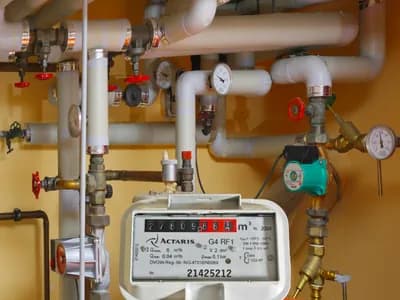
If you do not already know where the main shutoff is located, find it before an emergency happens. In many homes it is near the water heater, crawl space entry, utility room, or where the service line enters the house.
Second priority: protect people and the property
Once the water is under control, focus on immediate safety.
- Move rugs, towels, boxes, electronics, and furniture away from the wet area.
- Use buckets, towels, or a wet vacuum to contain standing water.
- Turn off electricity to affected rooms if water is approaching outlets, appliances, or power strips.
- Keep children and pets away from slippery floors and damaged materials.
Never step into standing water near electrical devices. If you suspect electrical risk, stop and call for help immediately.
What to do for the most common plumbing emergencies
Burst or frozen pipe
A frozen or burst pipe is one of the most destructive plumbing problems. If a line has split:
- Shut off the main water supply.
- Open nearby faucets to relieve pressure.
- Move belongings out of the way and start drying the area.
- Take photos if insurance documentation may be needed.
If the pipe is frozen but not yet burst, do not use an open flame to thaw it. A hair dryer, warm towels, or safe ambient heat can help, but if you cannot access the frozen section safely, call a plumber.
Overflowing toilet
Toilets often have a small shutoff valve on the wall or floor behind the bowl. Turn that valve clockwise. Then:
- Remove excess water from the floor.
- Stop flushing.
- If the bowl is still high, wait for the water level to settle before trying any manual clearing.
One isolated clog may be a simple blockage. Multiple backed-up fixtures can point to a deeper drain or sewer issue.
Water heater leak
A leaking water heater should be treated as urgent even if the leak seems small.
- Shut off the cold water supply to the unit.
- Turn off power at the breaker for an electric unit.
- Set a gas unit to the off position if it can be done safely.
Leaks from fittings or valves may be repairable. Water coming from the tank body usually means replacement is close.
Backed-up drain or sewer line
If sewage is backing up into tubs, showers, or floor drains:
- Stop using sinks, toilets, showers, and dishwashers.
- Keep people away from contaminated water.
- Do not run more water to "test" the system.
This is usually not a wait-and-see problem. A main line backup needs fast diagnosis and cleanup planning.
What to tell the plumber when you call
Clear information helps the response move faster. When you call, be ready to explain:
- What fixture or area is affected
- Whether water is still running
- Whether you have shut the water off
- Whether the issue involves sewage, hot water, or visible pipe damage
- Whether anyone is in immediate danger
- Your exact address and any gate, cabin, or access instructions
If you manage a rental or short-term property, mention whether guests are currently onsite. That affects urgency and access planning.
Helpful tools to keep at home
Every homeowner should have a small emergency plumbing kit. Useful items include:
- Flashlight
- Towels and absorbent rags
- Bucket
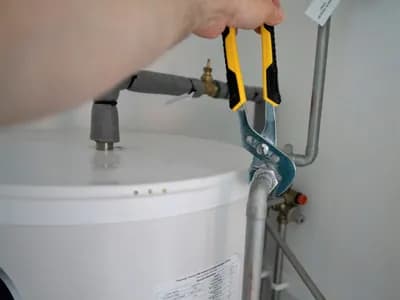
- Adjustable pliers
- Plunger
- Gloves
- Utility knife
- Wet/dry vacuum if available
This does not replace professional repair, but it helps you contain damage and work safely while waiting for service.
Mistakes that make plumbing emergencies worse
Homeowners often make the situation harder by taking the wrong next step. Avoid these common mistakes:
- Continuing to run water after a drain backup starts
- Using chemical drain cleaners during a severe clog or sewer issue
- Ignoring a small active leak because it "looks manageable"
- Attempting gas line or water heater repairs without training
- Waiting too long to dry wet floors, cabinets, or drywall
The cost of the plumbing repair is often only part of the problem. Secondary water damage is what drives up restoration bills.
When to call immediately
Call an emergency plumber right away if you have:
- A burst pipe
- Water coming through a ceiling or wall
- No shutoff control at the leaking fixture
- A leaking water heater
- Sewage backup
- No water service inside the home
- A suspected gas-related plumbing issue
These problems usually do not improve on their own and often get more expensive by the hour.
Final takeaway
The best emergency response is simple: stop the water, protect the space, stay safe, and call with clear details. Quick action does not require panic. It requires order.
If you need emergency plumbing service in Sevierville, Gatlinburg, or Pigeon Forge, Plumber in a Box can respond quickly and help you move from damage control to real repair.